Alphabiome.ai leverages advanced AI to unlock the hidden potential of the microbiome.
Validating the science
Alphabiome validated its AI technology for predicting drug and feed additive response and efficacy in the largest animal microbiome trial conducted globally (2022-2024)
Novel biomarkers discovery
AI-powered microbiome engine deciphers and genrates actionable insights on the entire microbiome.
Scope and scale
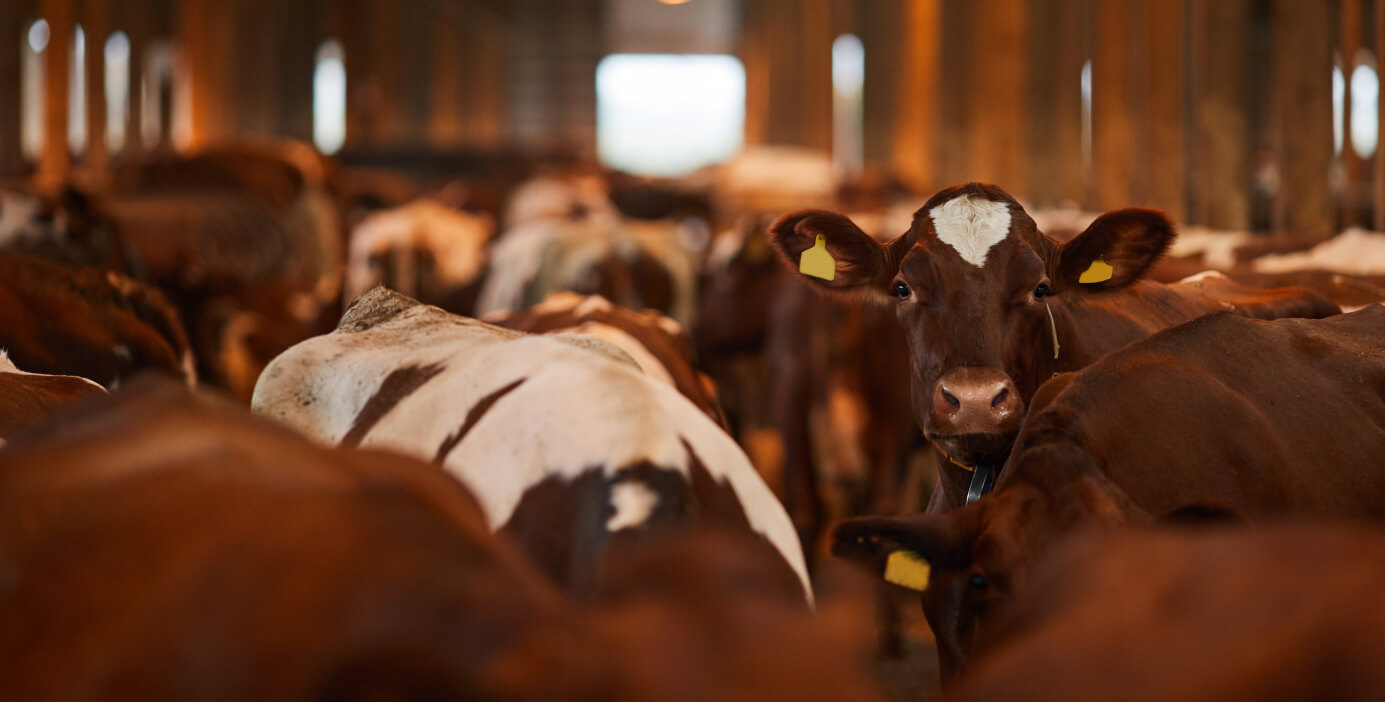
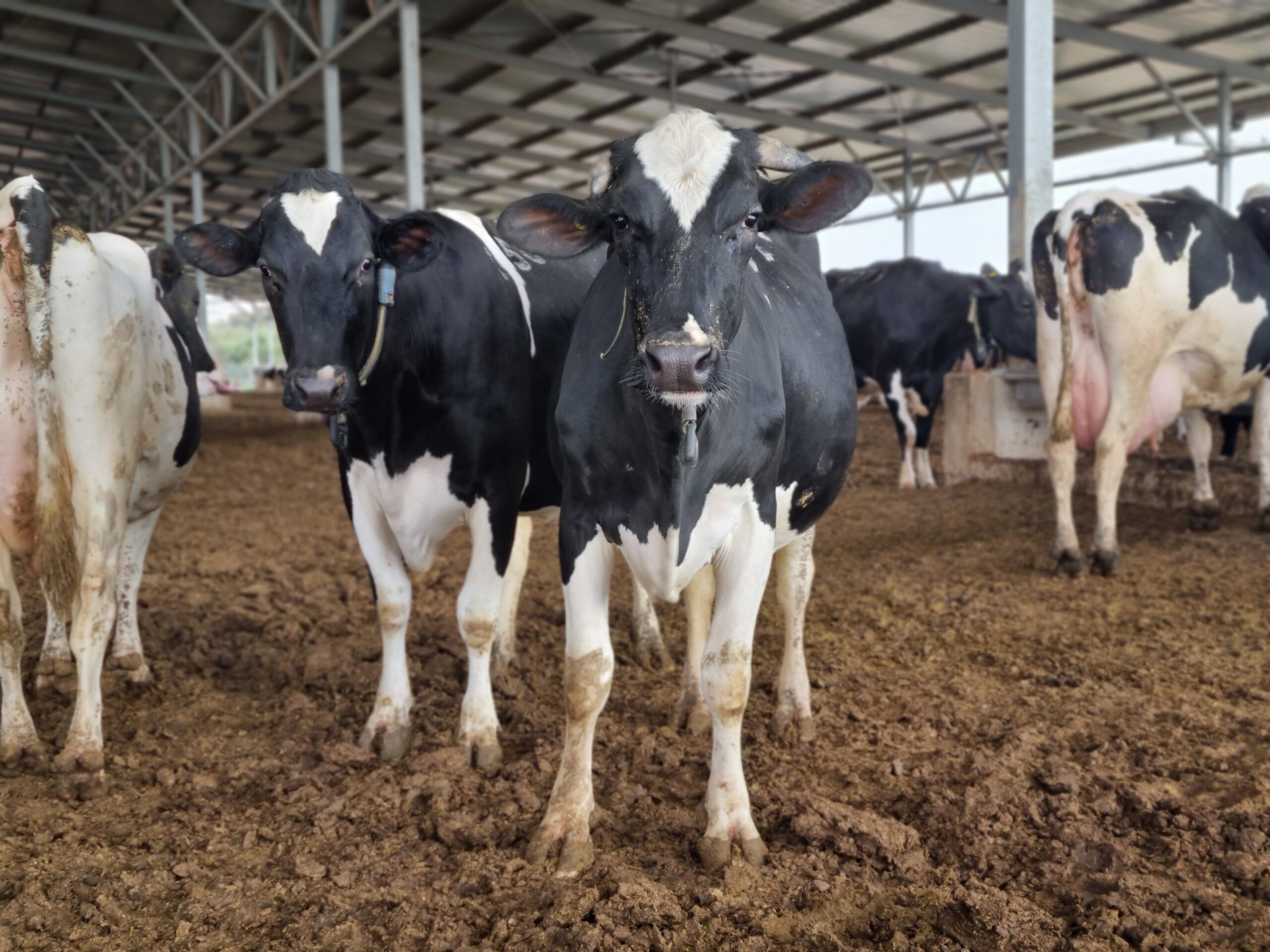
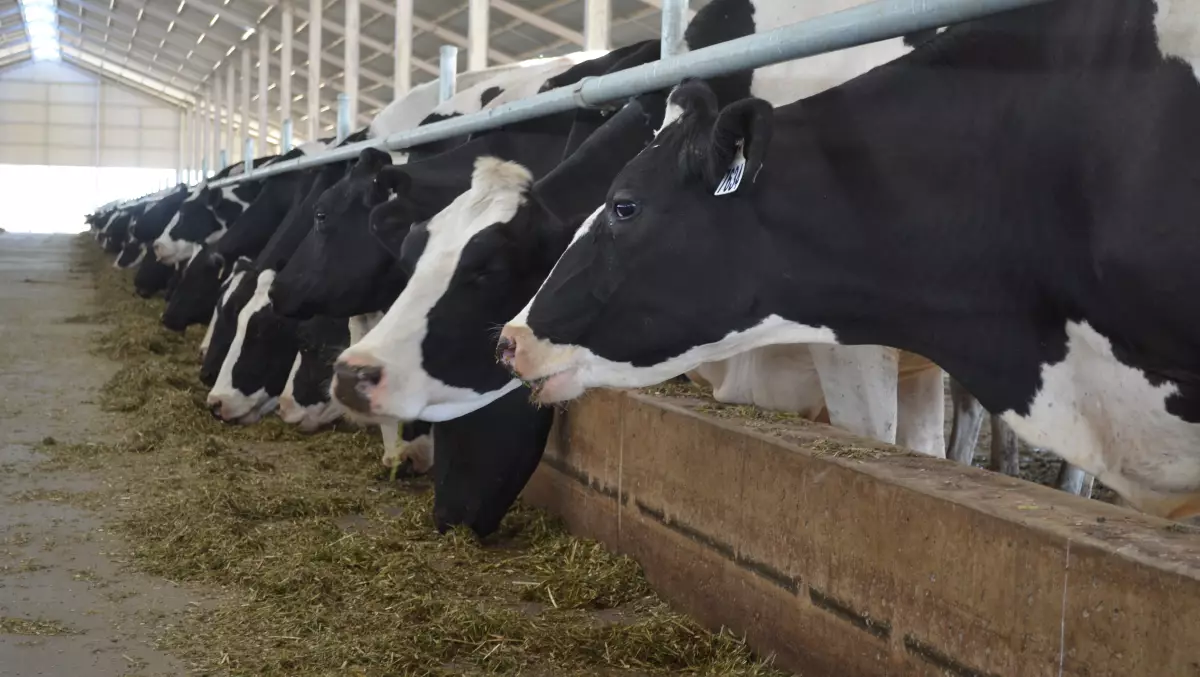
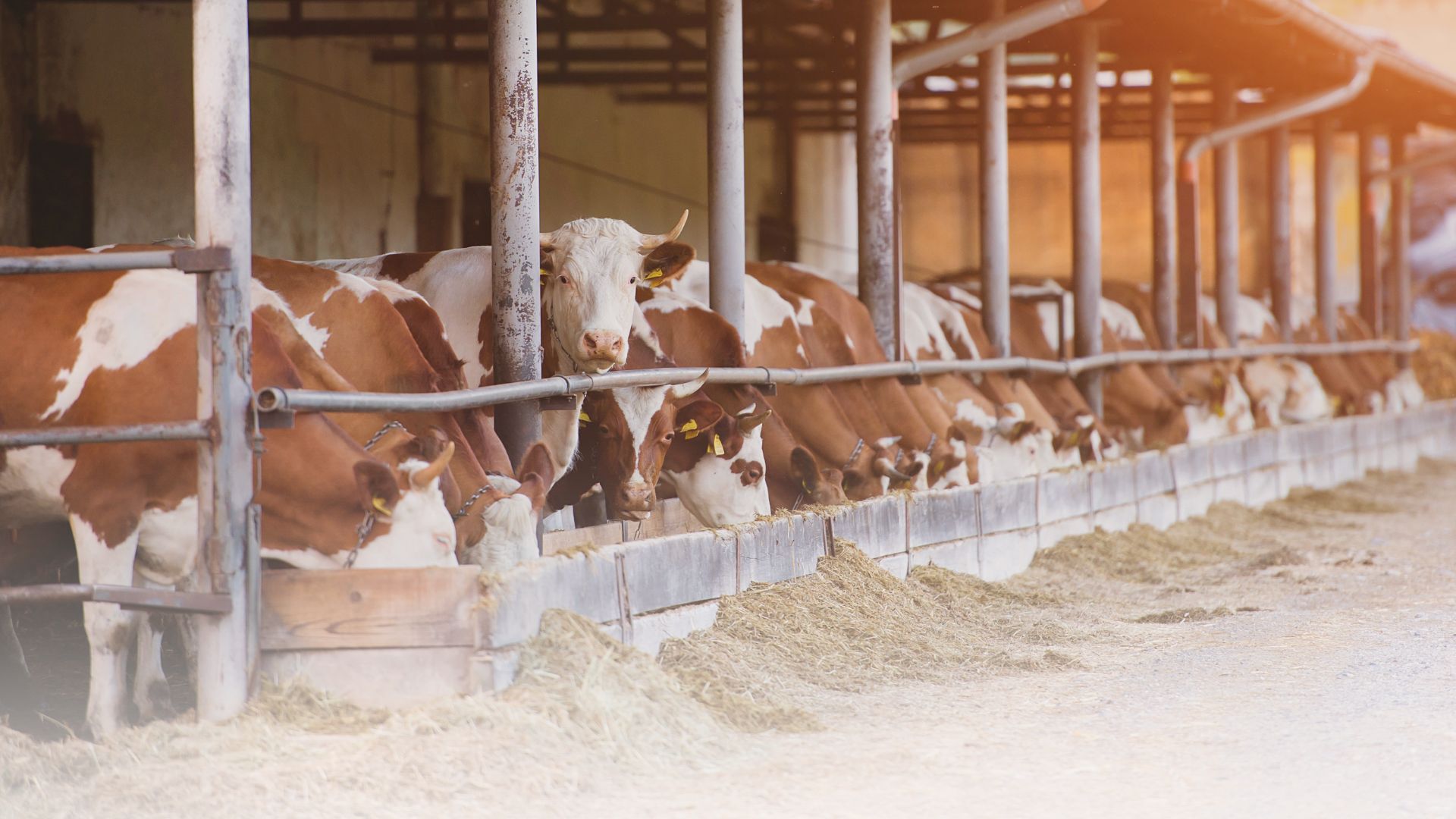
30,000 dairy cows in dozens of commercial farms. Depth of over 50 metrics monitored including microbiome quality, health, productivity and reproduction traits
Global reach
Field validation projects conducted across 4 continents – Israel, the U.S, Europe and Australia – confirming the universal accuracy of our microbiome predictions.
Quantifiable economic gain
Optimized additive response generated over $300 in additional annual revenue per cow through improved productivity and consistency.
Novel biomarkers discovery
AI-powered microbiome engine deciphers and genrates actionable insights on the entire microbiome.
Scope and scale
30,000 dairy cows in dozens of commercial farms. Depth of over 50 metrics monitored including microbiome quality, health, productivity and reproduction traits
Global reach
Field validation projects conducted across 4 continents – Israel, the U.S, Europe and Australia – confirming the universal accuracy of our microbiome predictions.
Quantifiable economic gain
Optimized additive response generated over $300 in additional annual revenue per cow through improved productivity and consistency.
Trial Design
Rumen Microbiome Sampling
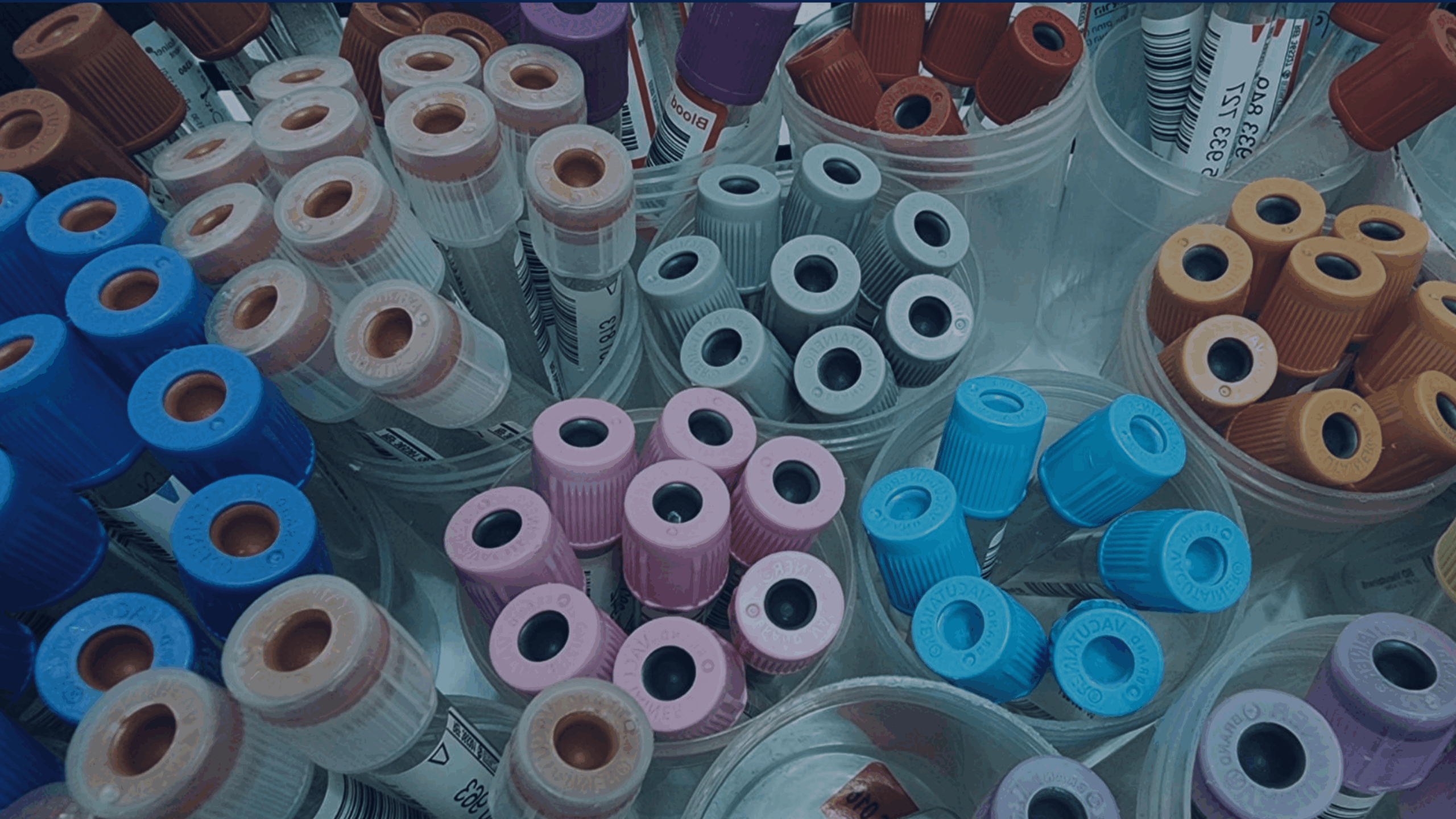
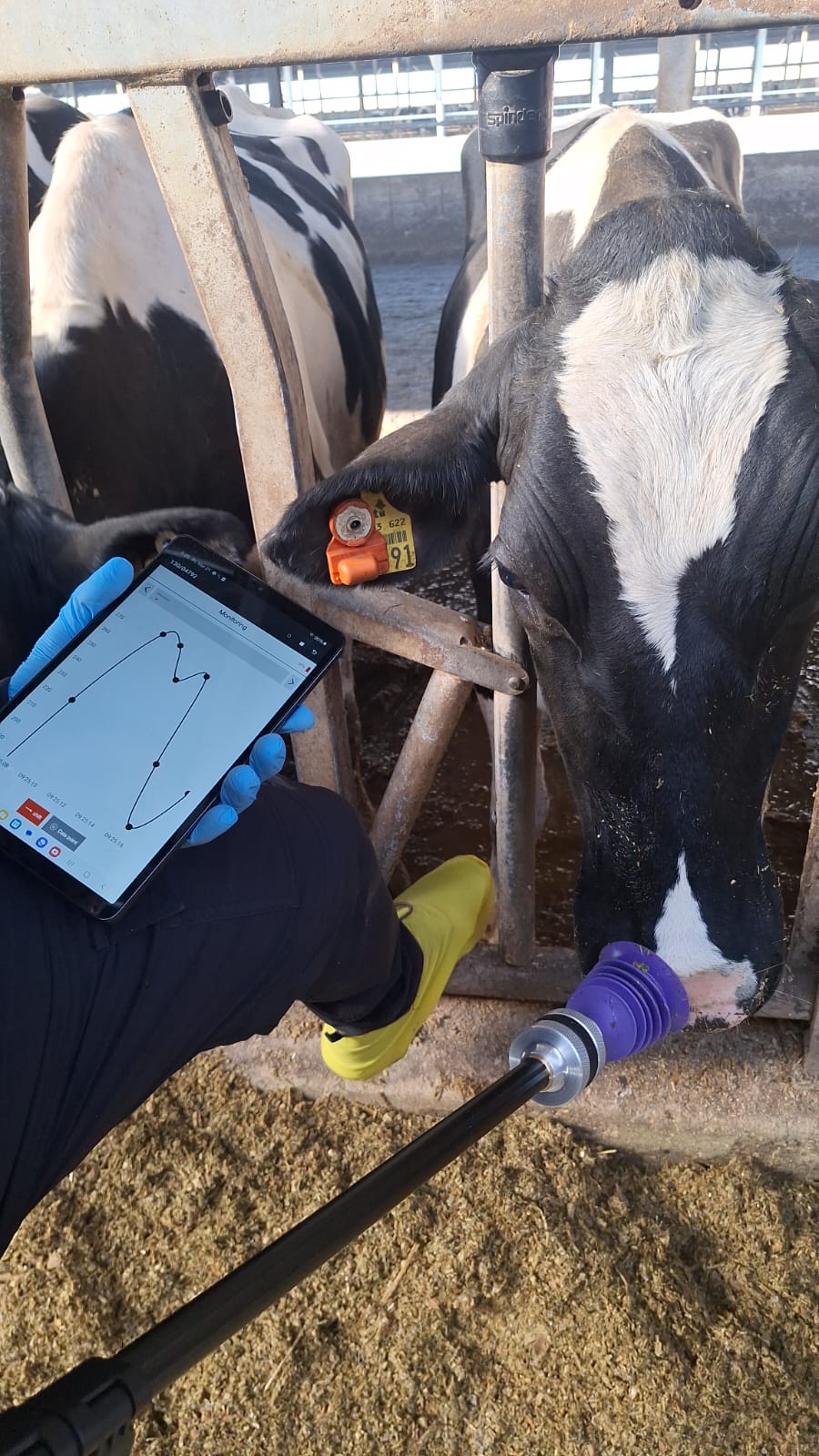
Microbiome samples were collected from a representative group of cows within each herd.
Rumen Microbiome Sampling
1
DNA Sequencing
2
Cutting-edge AI Engine
3
AI Driven Microbiome Analysis
4
Optimized Herd Efficacy Predictions
5
In-vivo Science
21/11/2025
New peer-reviewed publication: Alphabiome.ai AI Model Proven in Large-Scale Dairy Study
Our AI model, predicting the efficacy of an allicin-based essential oil for methane reduction, was peer-reviewed in Frontiers. The study validated our approach in 339 dairy cows on ten commercial farms.
Frontiers in Sustainable Food Systems spotlights our AI-powered microbiome model. Tested across 13 farms, it accurately predicts where feed additives reduce methane most effectively.
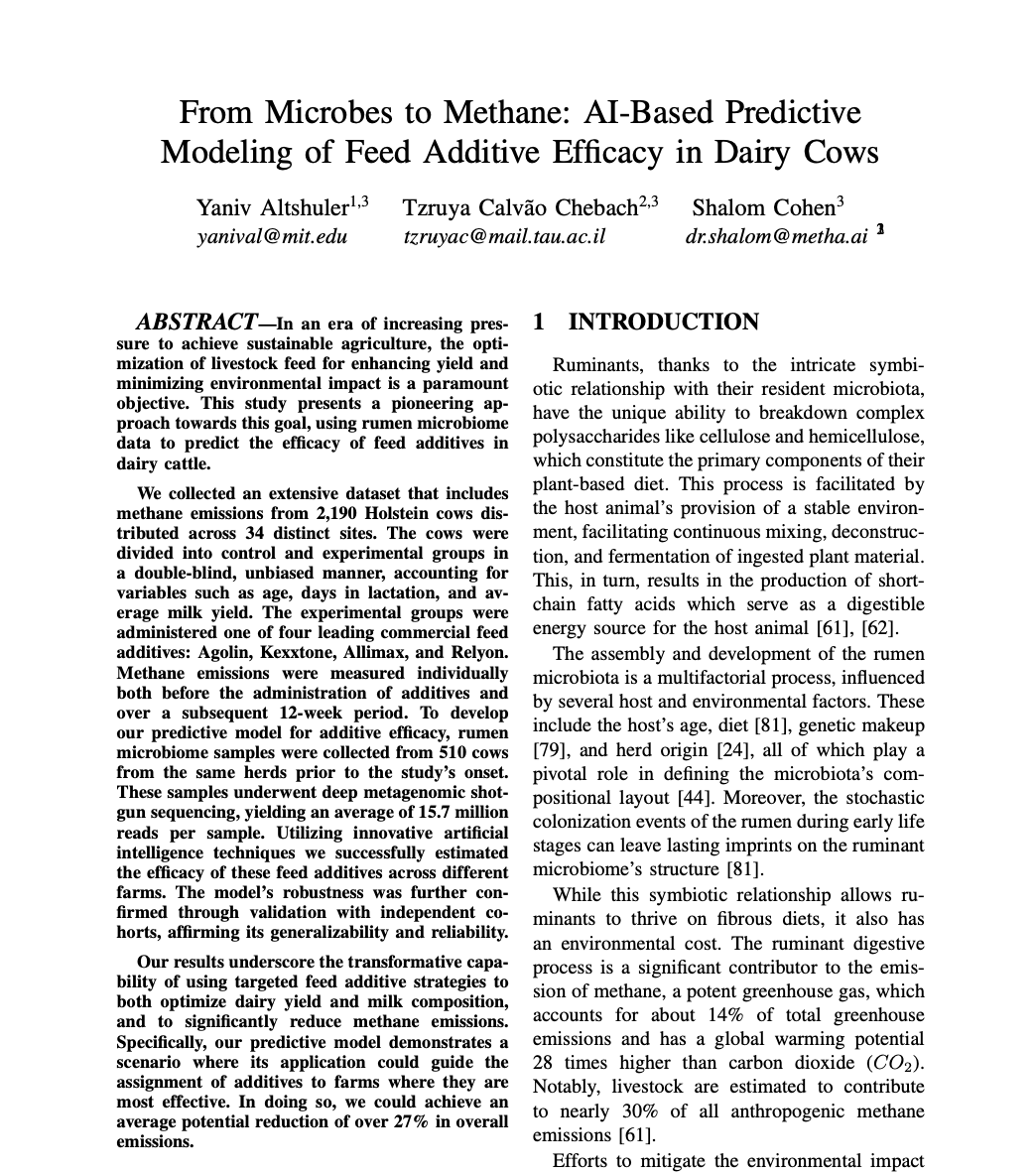
In an era of increasing pressure to achieve sustainable agriculture, the optimization of livestock feed for enhancing yield and minimizing environmental impact is a paramount objective.
Prescription use of methane mitigating feed additives to triple impact with Yaniv Altshuler
In this episode of Ash Cloud I speak with Yaniv Altshuler who is using his 20 plus years of experience at innovating #artificialintelligence at Massachusetts Institute of Technology to predict the response of the the rumen microbiome to methane mitigating feed additives and then prescribe the additive that will be most impactful at that point in time.
Alphabiome.ai is developing a Verra-aligned carbon credits project to help U.S. dairy farmers cut methane emissions and earn income using AI-driven microbiome analytics.
In some of my past posts, I’ve talked about some of the experts presenting the science on methane – and were waking up to the idea that controlling methane is going to be super-important for preserving the environment and mitigating climate change.
Predictive Modeling of Microbiome-Driven Feed Additive Efficacy in Dairy Cows
Microbiome based genetic biomarkers were shown to predict differential in vivo responses to 5 leading commercial feed additives. Linking microbial biomarkers with additive efficacy enabled development of a framework to identify optimal additive performance under specific herd conditions.
Limitations in Current Additive Evaluation
The examined feed additives aim to improve yield and reduce emissions in dairy cows, yet responses vary widely. The absence of predictive biomarkers limits reproducibility and confidence, underscoring the need for validated microbiome-based frameworks to guide additive selection.
Trial Methodology & Results
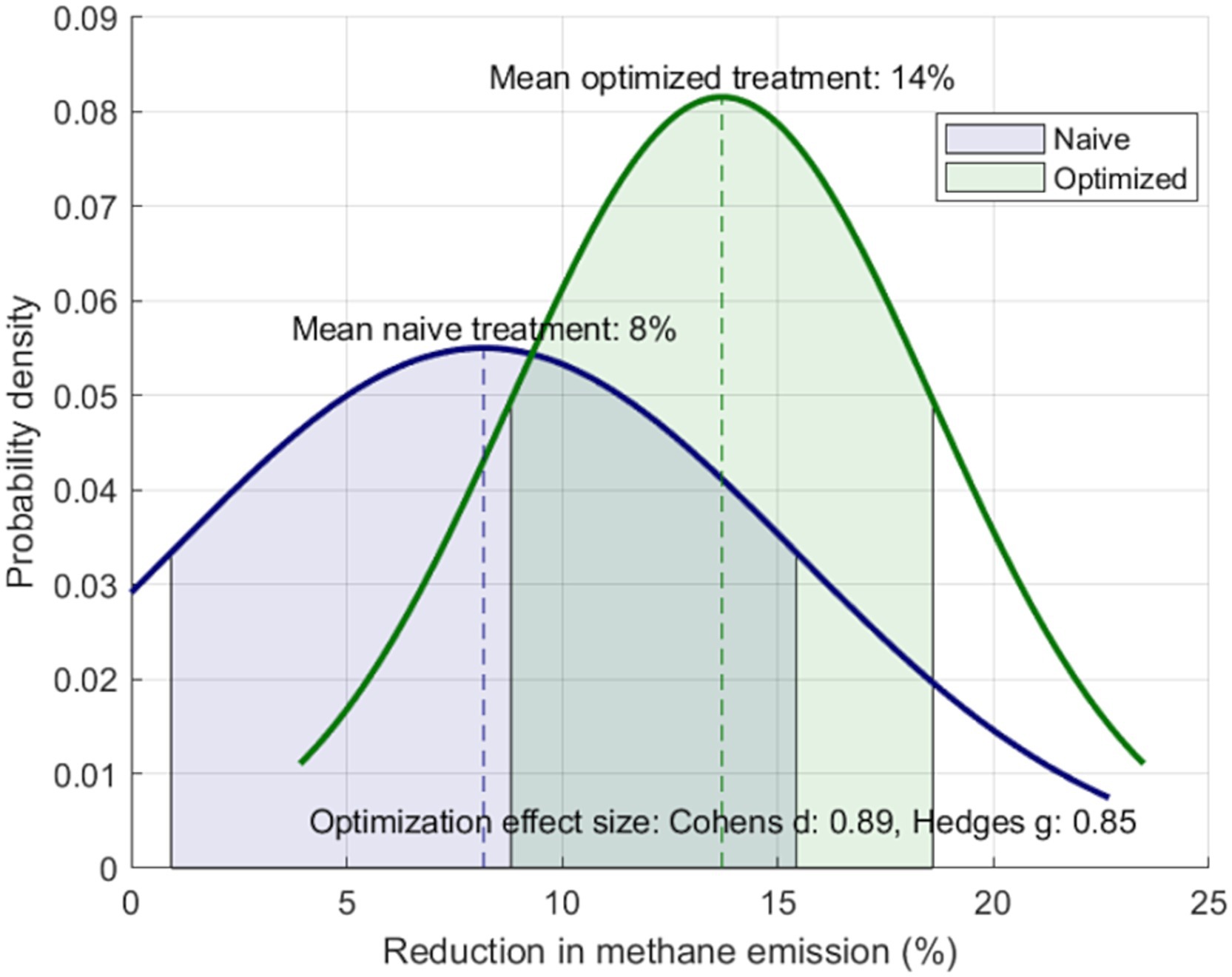
A 24-month in vivo controlled and double-blind study across 25 farms and 30,000 cows confirmed that Alphabiome’s proprietary microbiome based biomarkers accurately forecast additive performance. Biomarker-guided treatment tripled observed efficacy, validating model robustness and scalability.
Predictive Modeling of Microbiome-Driven Feed Additive Efficacy in Dairy Cows
Microbiome based genetic biomarkers were shown to predict differential in vivo responses to 5 leading commercial feed additives. Linking microbial biomarkers with additive efficacy enabled development of a framework to identify optimal additive performance under specific herd conditions.
Limitations in Current Additive Evaluation
The examined feed additives aim to improve yield and reduce emissions in dairy cows, yet responses vary widely. The absence of predictive biomarkers limits reproducibility and confidence, underscoring the need for validated microbiome-based frameworks to guide additive selection.
Trial Methodology & Results
A 24-month in vivo controlled and double-blind study across 25 farms and 30,000 cows confirmed that Alphabiome’s proprietary microbiome based biomarkers accurately forecast additive performance. Biomarker-guided treatment tripled observed efficacy, validating model robustness and scalability.